AML KYCA
Professional Fintech Publication • USD $129 • Premium Digital Real Estate
Submit Press Release
Continue reading...
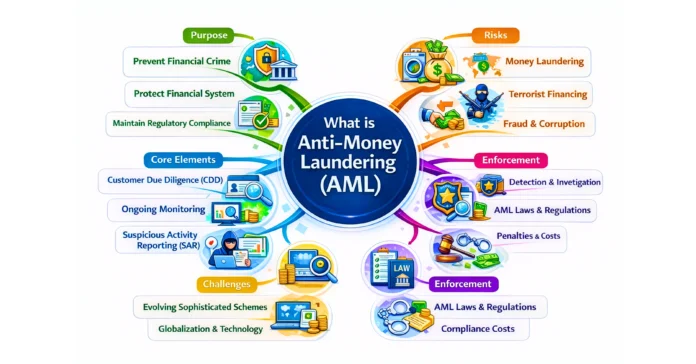
What Is Anti-Money Laundering (AML)? Definition, Process, Laws & Examples
One-sentence definition of Anti-Money Laundering (AML)
Anti-Money Laundering (AML) is the system-level legal, institutional, and operational framework designed to detect, prevent, disrupt, and report the...
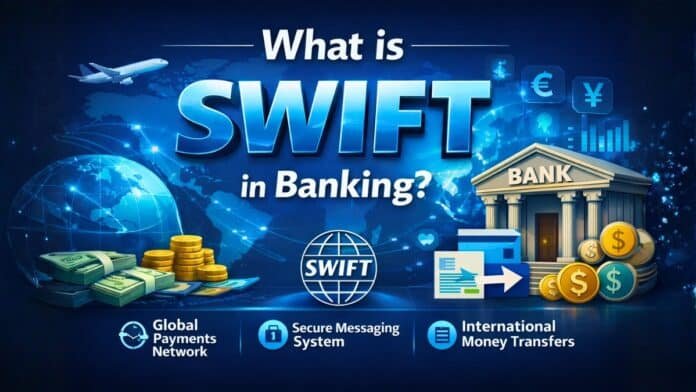
What Is SWIFT in Banking? The Global Financial Messaging Network Explained
What SWIFT Is in Banking at the Most Fundamental Level
Formal definition and scope within global finance
SWIFT, the Society for Worldwide Interbank Financial Telecommunication, is...

What is Financial Technology (Fintech)? Definition, How It Works, Examples, Future
What Financial Technology (Fintech) Means at Its Most Fundamental Level
Fintech, short for financial technology, refers to the application of software, data, networks, and computational...
Tokenization vs Hashing Explained: Differences, Use Cases, Security and Compliance
Understanding Why Tokenization and Hashing Are Often Confused but Serve Fundamentally Different Purposes
Tokenization and hashing are frequently mentioned together in discussions around data security,...
Tokenization vs Encryption in Finance Explained: Key Differences, Use Cases, Risks...
What Is Tokenization in Finance and Why Has It Become a Core Component of Modern Financial Infrastructure?
Tokenization in finance refers to the process of...
Tokenized Deposits vs CBDCs: Key Differences, Use Cases, Risks, and Future
What Are Tokenized Deposits in Modern Banking Systems
Tokenized deposits are commercial bank deposits represented in digital token form on a secure, permissioned ledger. Each...
Tokenization vs Cryptocurrency: Meaning, Differences, Regulation, and the Future of Finance
Understanding Why Tokenization vs Cryptocurrency Is One of the Most Misunderstood Topics in Finance Today
The debate around tokenization vs cryptocurrency exists largely because both...